
News & Events

Dyssynergic Defecation: Why Accurate Diagnosis Is Essential for Effective Treatment
Dyssynergic defecation is a common yet frequently underdiagnosed cause of chronic constipation. Learn how anorectal manometry helps identify abnormal pelvic floor coordination, support accurate diagnosis, and guide more effective treatment strategies for patients with defecatory disorders.
Read More
Why Identifying the Type of Chronic Constipation Matters
Understanding the underlying cause of chronic constipation is key to effective management. Explore the different types of chronic constipation and the role of diagnostic testing in guiding individualized care.
Read More
Why Choose the mcompass® Balloon Expulsion Catheter for Anorectal Manometry?
Medspira's mcompass® offers a new alternative to existing expulsion catheter products, giving providers a U.S.-made, direct-from-the-manufacturer option designed with everyday clinical needs, cost efficiency, and product availability in mind.
Read More
Top Challenges Facing Pelvic Floor Clinics in 2026 & How to Overcome Them
Pelvic floor clinics are seeing rising demand, but many are struggling to keep up. From diagnostic delays to workflow inefficiencies, the pressure is real. Here are the biggest challenges in 2026 and what clinics can do about them.
Read More
Quick RAIR Test: What the Rectoanal Inhibitory Reflex Reveals
MedSpira now offers the Quick RAIR test as part of its diagnostic suite, giving care teams a practical way to assess this key reflex efficiently.
Read More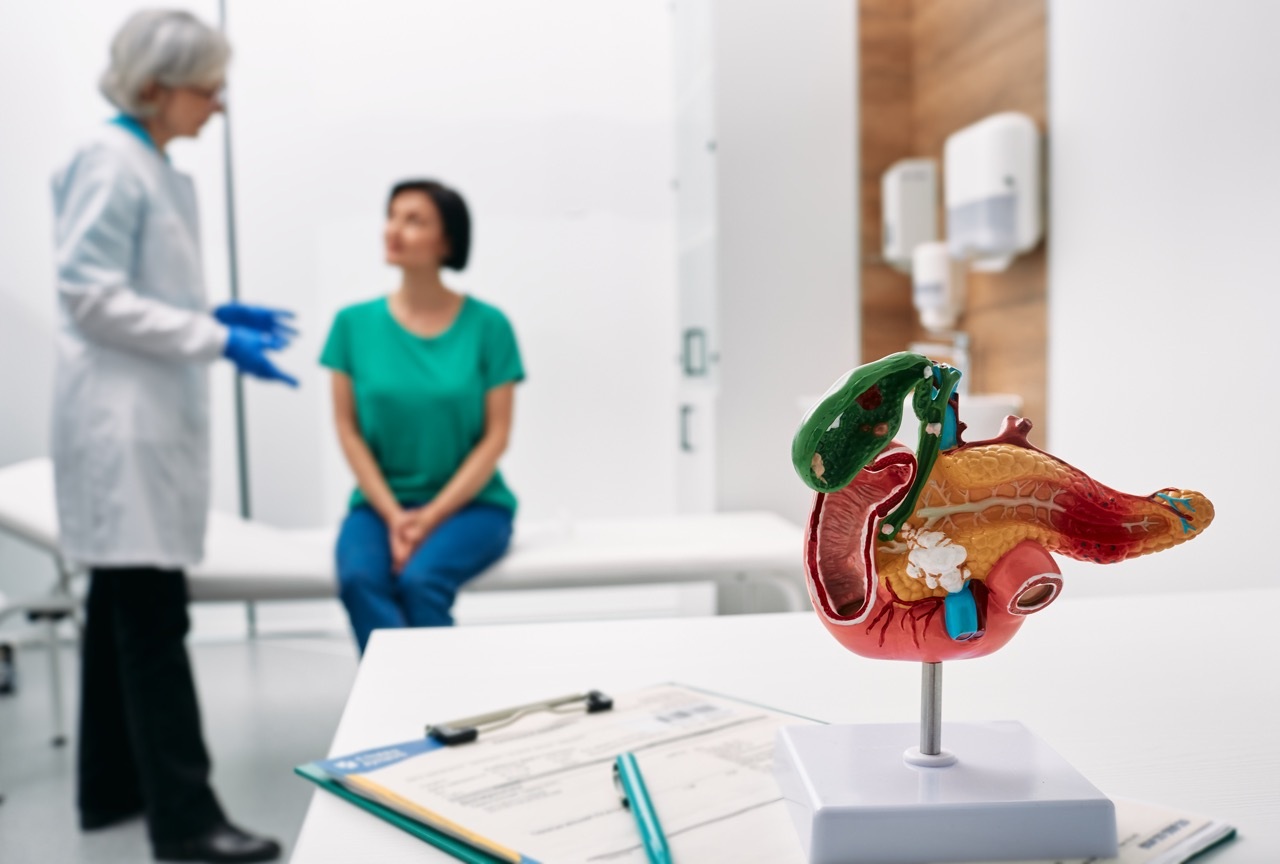
Why Offering Anorectal Manometry In-House Improves Patient Retention and Continuity of Care
Patient retention is not just a business metric. In gastrointestinal and colorectal care, retention is directly tied to outcomes, diagnostic accuracy, and patient trust
Read More
Why Anorectal Manometry Remains Essential: The Gold Standard for Evaluating Anorectal Function
When patients present with symptoms such as chronic constipation, fecal incontinence, pelvic floor dysfunction, or anorectal pain, clinicians need more than patient history and a physical exam. They need objective, physiological data that reveals how the anorectal muscles truly function.
Read More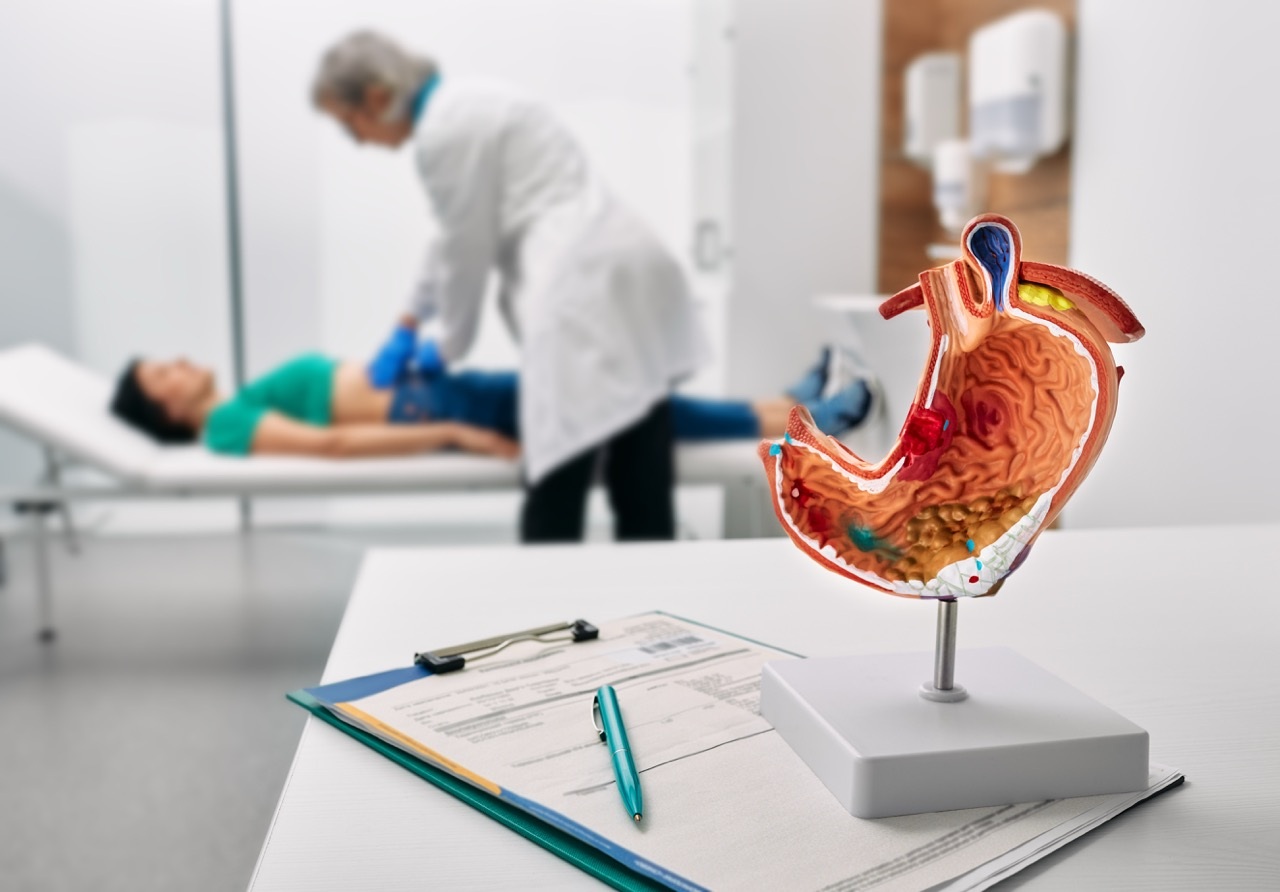
The Power of Pressure: How Sensor-Based Feedback Improves Outcomes
Without clear insight into both rectal and anal canal pressures, clinicians risk incomplete assessments, misdiagnoses, and treatment plans that don’t fully address patient needs.
Read More
Breaking the Stigma: Why Conversations About Bowel Health Matter
In clinical practice, few topics carry as much quiet discomfort as bowel health. Despite the high prevalence of anorectal disorders—from constipation and fecal incontinence to defecatory dysfunction—many patients hesitate to bring up their symptoms until quality of life is significantly affected.
Read More
Seeing vs. Measuring: The Roles of Endoscopy & Anorectal Manometry in GI Care
Two common procedures—endoscopy and anorectal manometry (ARM)—play complementary roles in helping clinicians get the complete picture.
Read MoreSchedule Your Free Consultation
Get in touch with us to learn how our products can make an impact on your practice.